How Professional Septic Services Protect Your Property Value
A septic system sits out of sight, but it has a direct effect on what your property is worth, how easy it is to sell, and how much you spend maintaining the home over time. Owners tend to think about kitchens, roofing, siding, and landscaping when they hear the phrase property value. Buyers do too. Yet once a home relies on a private wastewater system, the septic setup moves from background infrastructure to a central part of the property’s risk profile.
That shift matters. A healthy, documented, professionally maintained septic system supports financing, eases inspections, prevents expensive damage, and reassures buyers that the house has been cared for properly. A neglected system does the opposite. It raises questions, slows deals, and can force price reductions that dwarf the cost of routine service.
Anyone who has seen a sale wobble because of a failing drain field understands how quickly septic issues turn from a maintenance item into a valuation problem. The hard part is that most septic trouble develops quietly. Systems rarely fail all at once. More often, they decline through years of skipped pumping, poor water habits, root intrusion, compacted soil, or unnoticed wear in the tank and lines. Professional septic services are what interrupt that decline before it becomes visible to buyers, appraisers, inspectors, or health officials.
Property value depends on confidence as much as condition
A home’s market value is not just about the physical structure. It is also about confidence. Buyers are trying to judge whether the price reflects known conditions and likely future costs. If they suspect a hidden liability, they either walk away or lower their offer to protect themselves.
A septic system can trigger that reaction faster than almost any other mechanical component. People know a furnace can be replaced. They know a water heater wears out. A septic problem feels different because it can involve excavation, soil conditions, permits, health concerns, and uncertainty about the extent of the damage. Even when the actual repair is manageable, the fear around it can be expensive.
This is where professional septic services create value. A service record tells a story. It shows that the tank was pumped on schedule, the components were inspected, and small issues were addressed before they became major ones. That documentation narrows uncertainty. In real estate, narrowing uncertainty often protects price.
I have seen two houses with similar square footage, age, and finish levels draw very different reactions because of the septic file. One owner had invoices showing regular pumping every three to five years, a recent inspection, and a simple diagram of the tank and drain field. The other owner could only say, “It has always worked fine.” Buyers trusted the first property immediately. They treated the second like a gamble.
What buyers, inspectors, and lenders notice
The septic system enters the conversation at several points in a sale. Sometimes the county or municipality requires an inspection before transfer. In other areas, the burden falls on the buyer’s general home inspection, a dedicated septic contractor, or lender underwriting. The exact process varies by region, but the pattern is familiar. Once a buyer learns a home has a private septic system, questions start coming quickly.
They want to know the age of the system, tank size, pumping history, occupancy load, location of the drain field, and whether any backups, odors, or wet spots have appeared. They may ask if the home has had additions, basement bathrooms, or increased occupancy since the system was installed. They may also want proof that the system meets current local requirements, even if it was legal when installed.
Professional septic services help answer those questions with specifics rather than guesswork. That distinction matters more than many owners realize. Saying the tank was “probably pumped a few years ago” does not carry weight. Producing a dated invoice and inspection notes does.
Lenders notice too, especially if an inspection report raises concerns. If wastewater handling is questionable, the issue can become more than a negotiation point. It can affect loan approval or trigger required repairs before closing. For a seller, that means time pressure, added expense, and less control over the contractor and schedule.
Routine service is cheaper than visible failure
Most owners understand this in theory, but the economics become clearer when you compare the likely costs. Regular pumping intervals depend on tank size, household size, water use, and what goes down the drains. Many homes do well with pumping every three to five years, though heavier use can shorten that. An inspection during service often catches baffle deterioration, filter clogs, early root intrusion, high sludge levels, or signs that effluent is not moving through the system as it should.
Those visits are modest expenses compared with the cost of restoring a failed system. A simple pump-out and inspection may cost hundreds of dollars, depending on region and accessibility. Replacing a damaged pump, repairing a broken lid, clearing a line, or installing risers adds cost, but usually in a controlled range. A compromised drain field or full system replacement moves the numbers into the thousands, and sometimes well beyond that if site conditions are difficult or local code requirements are strict.
The financial hit is only part of the problem. Visible failure leaves traces that buyers do not forget. Soggy patches in the yard, sewage odors, slow drains throughout the house, or backups in the lowest fixtures create a strong impression of deferred maintenance. Even after a repair, some buyers will assume there could be lingering issues underground. Property value suffers not only from the repair bill but from the reputation of the property.
The hidden damage neglected septic systems can cause
A failing septic system is not isolated to one component. It can affect the house, the site, and the owner’s relationship with local authorities. Wastewater backups can damage flooring, drywall, trim, and personal belongings. Excess moisture around the house can attract pests and create conditions for mold. On the exterior, saturated areas can ruin landscaping, make parts of the yard unusable, and interfere with outdoor projects that otherwise improve curb appeal.
There is also the issue of contamination. If untreated or poorly treated wastewater reaches groundwater, ditches, or nearby surface water, the problem can draw regulatory attention. That is where a neglected maintenance item becomes a compliance issue. Once local health departments get involved, owners may have fewer options and tighter deadlines. Buyers hear “health department” and often assume the worst.
Professional septic services reduce the chance of reaching that point. Experienced technicians do more than remove waste from a tank. They read the condition of the system. They notice abnormal sludge buildup, signs of infiltration, damaged tees or baffles, and evidence that the drain field is under stress. A skilled eye catches patterns that a homeowner simply cannot see from the kitchen sink or bathroom toilet.
Good records turn maintenance into an asset
Homeowners often underestimate how valuable paperwork can be. A septic file does not need to be elaborate, but it should be orderly and credible. When buyers and agents see complete records, they stop imagining worst-case scenarios.
The most useful documentation usually includes:
- Pumping invoices with dates and service notes
- Inspection reports that mention the tank, baffles, filters, and general performance
- A site sketch or system location notes
- Repair receipts for pumps, lids, risers, alarms, or line work
- Permit records if the system was upgraded or modified
That small packet changes the conversation. Instead of “We hope it is fine,” the seller can say, “Here is the history, here is who serviced it, and here is the most recent assessment.” Buyers tend to reward that kind of transparency. Even if the house is not brand new and the septic system is older, evidence of conscientious care builds trust.
This matters particularly in rural and semi-rural markets, where buyers may already be balancing well water, outbuildings, acreage maintenance, and longer utility runs. The cleaner and more documented the infrastructure story, the less drag there is on price.
Professional service protects more than the tank
When people hear septic services, they often picture pumping and nothing else. In practice, the best https://dominickprni350.cavandoragh.org/why-septic-services-are-essential-after-heavy-rain providers protect the entire system and the property around it. They know that preserving value requires more than clearing out solids.
A good septic technician may recommend installing risers to bring access points closer to grade, which makes future service easier and less disruptive to landscaping. They may suggest an effluent filter if the system benefits from one and if the owner is prepared for the maintenance it requires. They may identify drainage problems on the lot that overload the area around the tank or field. They may also explain how a planned patio, pool, driveway extension, or shed placement could compromise the system later.
That advice is where professional judgment shows its worth. Plenty of homeowners unintentionally shorten the life of a septic system by driving heavy equipment over the field, routing roof runoff toward sensitive areas, planting aggressive trees too close to lines, or adding living space without considering wastewater load. None of those mistakes feels dramatic in the moment. Over time, each can erode system performance and property value.
The drain field is often the real valuation risk
Tanks get attention because they are serviceable and familiar. Drain fields deserve equal respect because they are more difficult and more expensive to rehabilitate if things go wrong. A tank full of solids can be pumped. A drain field clogged by years of abuse, hydraulic overload, or improper discharge is a larger problem.
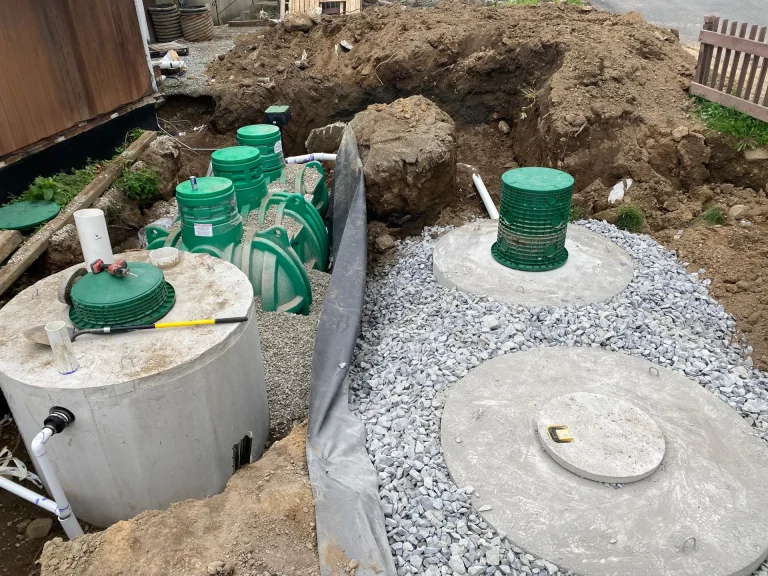
This is one reason routine septic services matter so much. Pumping the tank at the right intervals helps prevent solids from escaping into the field. So does maintaining outlet components properly. Once the field starts failing, there may be temporary measures that buy time, but lasting solutions are often costly and site-dependent.
I have seen owners spend years focusing on symptoms inside the house, using drain cleaners, scheduling repeated snaking, or blaming old plumbing, when the true issue was a struggling field outside. By the time the diagnosis was clear, the repair was far more extensive than it would have been if the system had been inspected earlier. That kind of slow misreading is common because the first signs can be subtle.
A buyer who knows the drain field has been protected through regular, documented care sees a lower-risk property. That can support both asking price and negotiation strength.
Renovations and additions can quietly undermine value
Property improvements are supposed to increase value, but they can do the opposite if they push a septic system beyond its intended capacity. Finishing a basement and adding a full bath, converting a seasonal cabin into full-time living space, or turning a spare room into a high-use guest suite all increase wastewater demand. If the septic system was designed for lighter use, the upgrade may create strain that does not appear immediately.
This creates a common disconnect. The owner sees new tile, cabinetry, and square footage. The buyer or inspector sees an occupancy increase and wonders whether the wastewater system can support it legally and practically. Professional septic services help bridge that gap by evaluating how the existing system aligns with actual use.
Sometimes the answer is reassuring. A well-designed system may have enough capacity or reserve. Other times the right move is to upgrade before marketing the property, or at least to disclose the facts clearly. Pretending the issue does not exist rarely ends well. When septic capacity and house use are aligned, the renovation helps value. When they are not, the same renovation can become a red flag.
Seasonal homes, rentals, and large households need extra attention
Not every property puts the same kind of load on a septic system. A year-round family home behaves differently from a weekend cottage. A short-term rental with alternating vacancy and heavy turnover creates a different pattern again. Large households can fill tanks faster than expected, especially if they rely on older fixtures with higher water use or if laundry loads are frequent.
This is where generic rules can mislead people. The owner who hears “every five years is fine” may be under-serving a busy rental. Another owner may be pumping more often than necessary because the home is lightly used. Professional septic services tailor maintenance intervals to real conditions, which is what protects value over the long term.
For rental owners, this is especially important because misuse is common. Guests flush wipes, grease, paper towels, hygiene products, and other materials that should never enter a septic system. A maintenance provider who knows the property can catch the effects early and help establish a sensible service schedule. If that property is later sold, the records show active management rather than reactive cleanup.
Warning signs owners should never ignore
A septic system rarely fails without notice, but the warnings are easy to dismiss at first. Owners often rationalize them because the symptoms seem minor or intermittent. That delay is expensive.
Pay attention if you notice:
- Drains slowing in multiple fixtures at once
- Sewage odors indoors or near the tank or field
- Wet, greener-than-normal patches in the yard
- Gurgling sounds after toilets flush or tubs drain
- Backup in the lowest drain, often a basement fixture
None of these automatically means total system failure, but each warrants prompt professional evaluation. The value issue is not just what the symptom means today. It is what happens if the owner lets it continue through one wet season, one busy holiday gathering, or one more year without inspection.
Professional service helps owners make better decisions before selling
Many sellers wait too long to address septic concerns. They assume the issue can be handled once a buyer appears. That approach gives away leverage. If a problem surfaces during escrow, the buyer gains negotiating power, timelines tighten, and the seller may be forced into whatever repair path is fastest rather than best.
A pre-listing septic inspection often pays for itself because it replaces surprise with planning. If the system is in good shape, the seller has evidence ready. If something needs attention, there is time to compare bids, schedule work sensibly, and present the repair as completed maintenance rather than an emergency concession.
From a market standpoint, this matters because buyers do not price uncertainty gently. If they think there might be a $10,000 to $20,000 risk hidden underground, they do not discount the house by the exact expected repair amount. They usually discount more, because they are also pricing inconvenience, delay, and the possibility that the problem is larger than anyone currently knows. Professional septic services reduce that uncertainty before it enters the negotiation.
Choosing the right septic provider matters
Not all service calls are equal. A low price for pumping does not mean much if the provider rushes the job, leaves no meaningful notes, or misses obvious signs of deterioration. Property value is protected by thoroughness, not just by the fact that a truck showed up.
When selecting a provider, owners should look for experience with the local soil conditions, permitting environment, and common system types in the area. Gravity systems, pressure distribution, mound systems, and aerobic units each have different maintenance needs. A contractor familiar with local installations is more likely to spot non-obvious issues and give practical advice that fits the property.
Clear communication matters too. The best technicians explain what they found in plain language. They document tank condition, access limitations, component wear, and recommended follow-up. Those notes become part of the property record, which can support value later.
Small preventive steps preserve the big asset
A septic system does not need constant attention, but it does need respect. The owners who get the best lifespan and the fewest real estate headaches usually pair professional septic services with a few disciplined habits. They avoid flushing wipes and grease. They spread out laundry when possible instead of flooding the system with many loads in a row. They keep heavy vehicles off the field and route drainage away from sensitive areas. They also know where the system is, which sounds basic until a contractor parks a skid steer over it or a new garden goes directly on top of a line.
These habits by themselves do not replace service, but they make service more effective. Think of them as the day-to-day choices that protect the technician’s work and extend the useful life of the system.
Why this maintenance shows up in resale value
The connection between septic care and property value is not abstract. It appears in several practical ways. First, a maintained system lowers the odds of a failed inspection or lender concern. Second, records make buyers more comfortable and reduce aggressive price negotiation. Third, proactive repairs are almost always cheaper and less disruptive than emergency replacements. Fourth, a sound septic system protects the physical condition and usability of the lot, both of which buyers notice immediately.
There is also a reputation effect. Homes that present as well cared for, from the visible finishes to the hidden infrastructure, hold buyer confidence better. That confidence translates into stronger offers, smoother closings, and fewer last-minute concessions.
Owners sometimes ask whether septic maintenance really “adds value” in the same way a renovated kitchen might. Usually, septic services are better understood as value preservation with upside. They protect the baseline worth of the property and keep it from being discounted for preventable risk. In some transactions, especially where buyers are cautious about private systems, that preservation can feel very much like added value because it keeps the home competitive with other options.
A septic system will never be the glamorous part of the property. It does not sparkle in listing photos or anchor a showing. Yet when it is cared for professionally, documented properly, and managed with foresight, it quietly supports nearly every financial outcome an owner wants. It protects the yard, the house, the sale process, and the credibility of the asking price. For a piece of infrastructure buried underground, that is a remarkably visible return.
Excavating New Jersey LLC
Address: 406 County Rd 565, Wantage, NJ 07461
Phone number: +19737914284
FAQ About Septic Services
What is the average cost to get a septic tank emptied?
Emptying a septic tank costs between $290 and $560 on average, with most homeowners paying about $420. Prices vary based on tank size.
What is septic service?
Septic service inspects, pumps, cleans, and maintains a septic tank. A septic tank is a large, underground container that collects and treats wastewater from your home. Over time, sludge, scum, and other debris, like hair and solids, can build up in your tank and clog your drain field.
How often should you have a septic tank serviced?
A standard septic tank should be inspected every 1 to 3 years and pumped every 3 to 5 years. However, the exact schedule depends on your tank's capacity, household size, and daily water usage.